
GPT Image Creation
AI – of course AI – says, GPT is revolutionizing image generation, particularly with the release of state-of-the-art models like GPT Image 2.0: It promises near-perfect prompt adherence, advanced visual reasoning, and the ability to generate and accurately render complex text directly inside images.
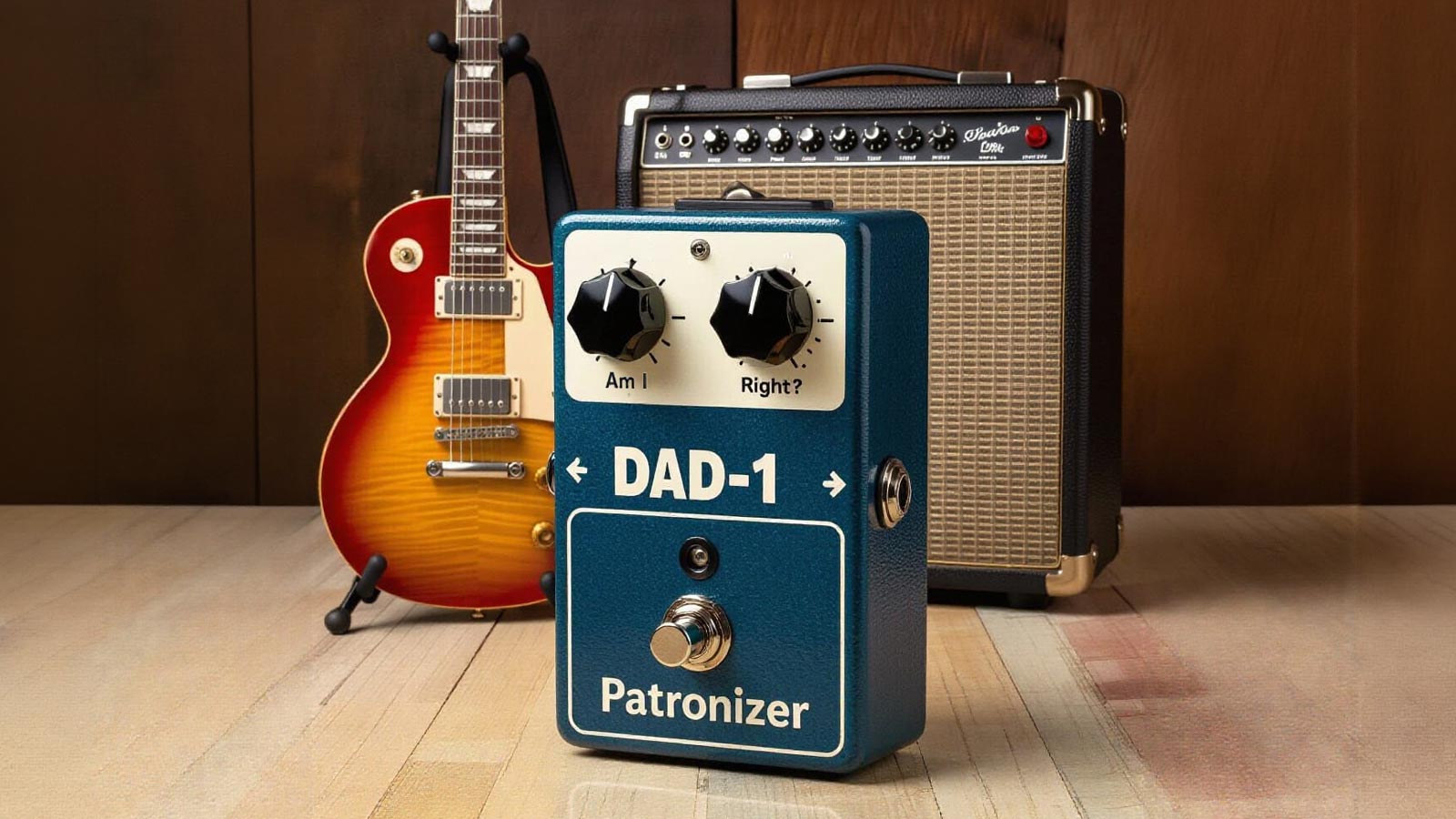
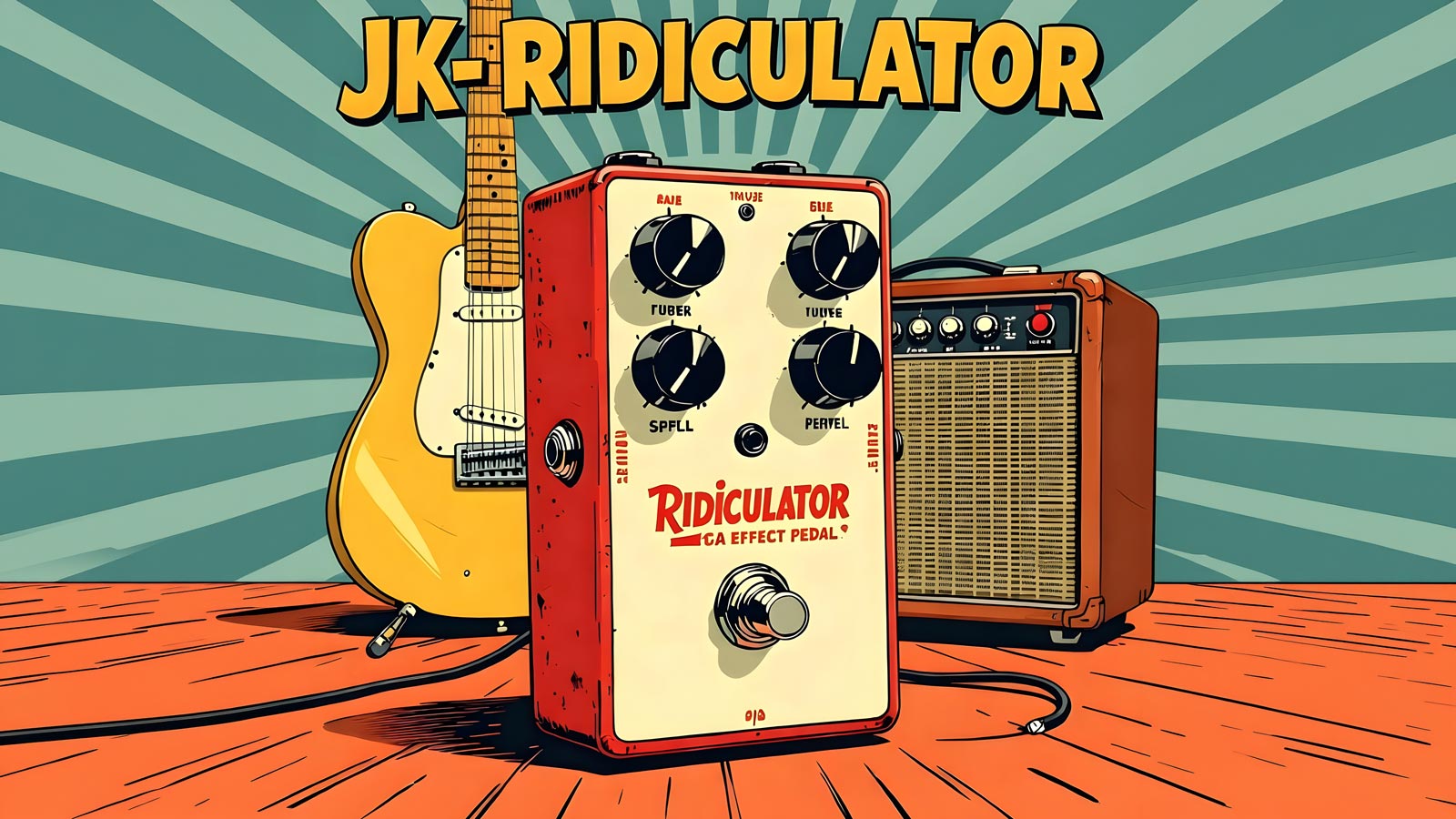
The DAD‑1 Patronizer
Gear Review — Limited Edition Parenting Series A Perfect Parenting Pedal, If Ever There Was One The only guitar pedal that improves your tone and your credibility as a father-figure rock god. You’ve spent years perfecting your technique. Your minors — God bless them — have not. They shred like…
Stompbox T‑Shirts
I love effect pedals. I just love them! The way they are built, their sturdiness, their focus on one purpose (mostly). The colours …

Au Revoir, Le Chat
A Name Change We Have To Feel Sorry For? Mistral’s decision to rename its chatbot raises a small but legitimate question about identity, branding, and what European AI companies owe their own distinctivenessOn May 28, 2026, at its own AI Now Summit, the French AI company Mistral announced that Le Chat — its conversational AI…
Absurdity Day
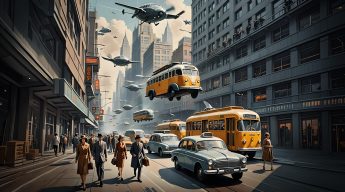
National Absurdity Day is celebrated on November 20th. It is an unofficial “fun” holiday, encouraging people to be aware—and celebrate—the illogical and nonsensical aspects of everyday life.
The Toad
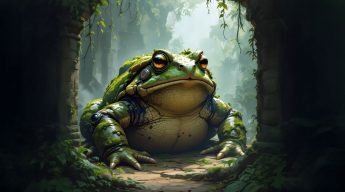
The Toad wasn’t a real toad. It didn’t need to be. It was the kind of creature that lurks in the damp corners of childhood nightmares, in the half-remembered warnings of old stories.